 0208 3517 101
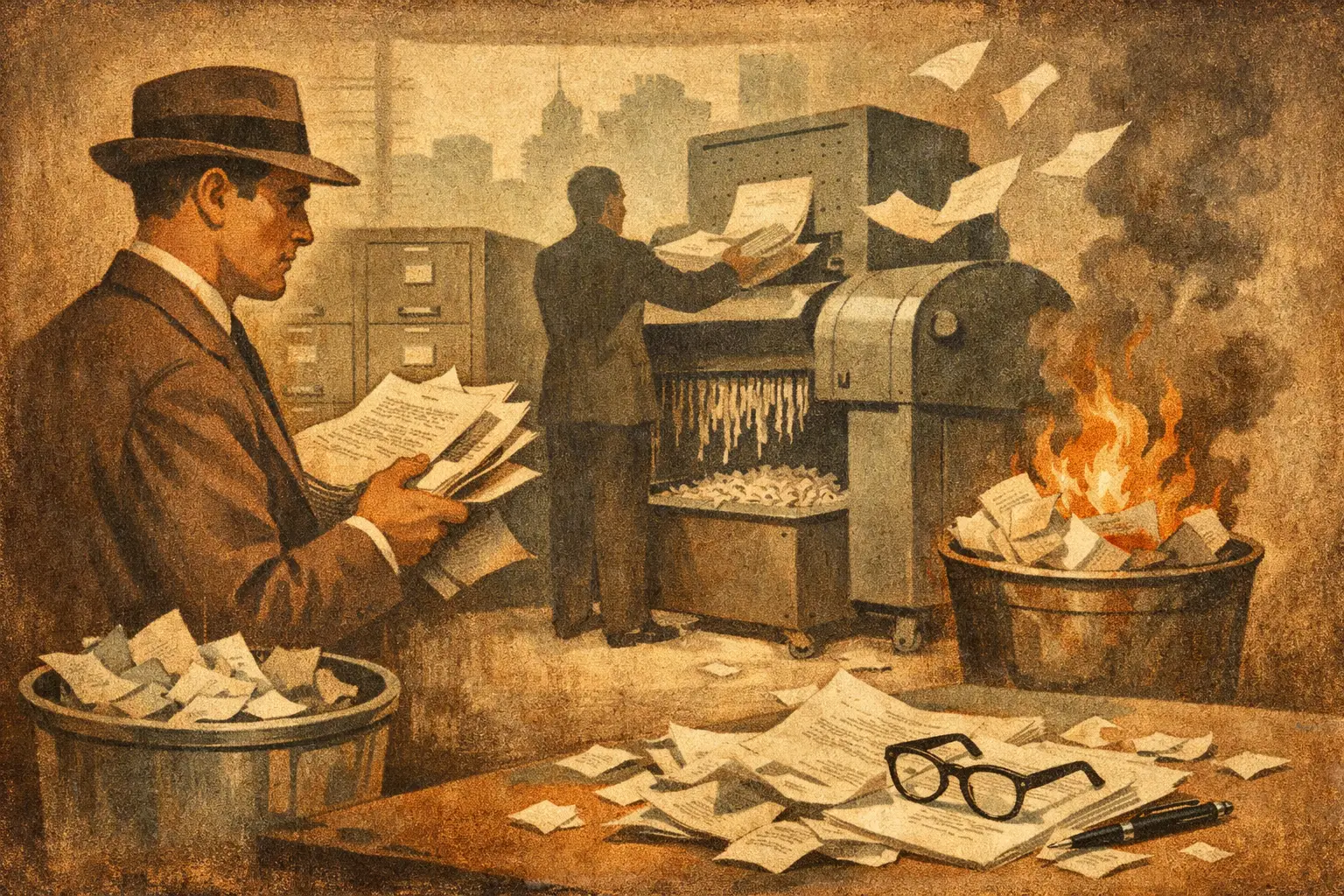
Confidential Document Destruction Services
Confidential document destruction services help businesses reduce risk, meet compliance duties, and clear offices securely during moves and change.
Call us on 0208 3517 101
 ISO 9001 & 14001
Certified
ISO 9001 & 14001
Certified 4.9
Trustpilot
4.9
Trustpilot 5.0
Google Reviews
5.0
Google Reviews 195+
Trees Planted
195+
Trees Planted 25+ Years
Experience
25+ Years
ExperienceA surprising number of data breaches start with something far less dramatic than a cyber attack – a box of old files left in a store room, papers placed in general waste, or archived records moved without a clear chain of custody. For organisations planning an office relocation, refurbishment or clearance, confidential document destruction services are not an optional extra. They are part of protecting sensitive data, meeting compliance obligations and keeping business risk under control.
When paperwork has built up over years, disposal often gets pushed to the end of the project. That is usually when mistakes happen. HR files, payroll records, client contracts, financial statements and internal reports can all contain personal or commercially sensitive information. If those records are not destroyed securely, the cost is not limited to inconvenience. It can mean regulatory exposure, reputational damage and avoidable disruption at the exact point a business is trying to move efficiently.
Why confidential document destruction services matter
For most businesses, paper records still exist alongside digital systems. Even in highly digitised workplaces, there are signed contracts, employee documents, medical information, legal papers and printed reports that cannot simply be binned. General waste disposal offers no meaningful control over what happens next.
Confidential document destruction services provide a managed process for collecting, handling and destroying sensitive records so they cannot be reconstructed or accessed by unauthorised parties. That matters for compliance, but it also matters for operational discipline. During a move or office change programme, secure disposal reduces clutter, limits what needs to be transported and helps teams separate records that must be retained from those that should be destroyed.
There is also a practical point here. Every file you move costs time, labour and storage space. Destroying redundant records before relocation makes the project leaner. It cuts packing volumes, reduces transport requirements and avoids paying to store documents that no longer need to exist.
What businesses should expect from confidential document destruction services
A professional service should do more than arrive with a shredder. It should give your business a documented, auditable process from collection through to destruction. That begins with secure containers or sealed sacks, followed by controlled transport and destruction carried out to an appropriate security standard.
The strongest providers will also issue a certificate of destruction. For facilities managers, operations leads and procurement teams, that paperwork matters. It creates a record that documents were destroyed securely and helps support internal governance processes.
On larger projects, especially office moves, timing is just as important as security. Documents may need to be removed in phases so departments can keep working until the final move date. A planned approach prevents sensitive material from sitting unattended while staff focus on desks, IT equipment and furniture.
Secure destruction during office moves and clearances
Office relocations create the perfect conditions for confidential waste to be overlooked. Teams are busy, storage cupboards are emptied quickly and responsibility can become blurred between internal staff, removal teams and building management. Without a clear disposal plan, confidential files may get mixed in with general clearance items.
That is why secure destruction should be treated as a defined workstream within the wider move plan. It needs ownership, scheduling and clear site procedures. In practice, that means identifying which records are due for destruction, confirming retention requirements, separating live files from redundant ones and arranging collection before general packing begins.
This is particularly valuable when a business is exiting a leased office. Landlords expect premises to be cleared, but speed should not come at the expense of compliance. A managed provider can coordinate secure disposal alongside wider office clearance, reducing pressure on internal teams and lowering the chance of a last-minute mistake.
For organisations managing relocation and disposal through one project partner, the process is usually simpler. There are fewer handovers, less duplication and better control of who is responsible for sensitive material at each stage.
Compliance, retention and the risk of getting it wrong
Not every old file should be destroyed immediately. That is where some businesses get caught out. Secure disposal is essential, but it has to sit alongside a sensible retention policy. Financial records, personnel files and sector-specific documents may need to be kept for defined periods. Destroying them too early creates one problem, while keeping them indefinitely creates another.
The right approach is to review documents by category, retention period and sensitivity. If your business does not already have a records policy, an office move is often the moment this gap becomes obvious. The volume of paper forces decisions that were easy to postpone when boxes were hidden in cupboards.
A dependable provider will not replace your legal or compliance advice, but they should understand the operational side of secure disposal. They should be able to support segregated collections, scheduled destruction and documented handling procedures that fit your project. That level of control is especially important for HR departments, finance teams, legal functions and any organisation handling personal or regulated information.
On-site or off-site destruction?
This depends on the volume of material, the security requirements and the practical constraints of your site. On-site shredding gives immediate visibility. For some organisations, that reassurance is valuable, particularly where highly sensitive records are involved.
Off-site destruction can be more efficient for larger volumes and multi-site projects, provided transport and chain-of-custody procedures are tightly managed. For many businesses, this is the more practical option during a relocation because it reduces congestion at the office and keeps loading areas clear for other move activity.
Neither option is automatically better in every scenario. A small office with highly sensitive board papers may prefer on-site destruction. A larger business clearing archive storage across several floors may need scheduled off-site collections as part of a wider decant plan. The key point is not the location of destruction alone, but whether the process is secure, documented and suited to the operational demands of the project.
Choosing a provider without adding another headache
Business leaders rarely want to manage separate suppliers for removals, storage, IT relocation, furniture handling, clearance and secure disposal unless there is a good reason. Every extra contractor adds coordination risk. That is why confidential document destruction services often work best when they form part of a broader workplace change plan.
When assessing providers, look beyond price. Ask how material is secured before collection, how custody is recorded, how destruction is verified and how the service fits around live business operations. If the provider is supporting an office move, they should be able to work to a phased programme and adapt to access restrictions, building rules and critical business deadlines.
Certifications and environmental standards also matter. Businesses want proof that confidential material is handled properly and disposed of responsibly. A provider with recognised quality and environmental credentials brings added reassurance, especially for procurement teams and organisations with formal supplier standards.
For companies that need secure disposal as part of a wider relocation or clearance project, using an experienced partner such as SolutionsX can reduce complexity significantly. One managed service means fewer gaps between packing, disposal, transport and final setup, which helps protect continuity when timelines are tight.
The operational benefit most businesses overlook
Secure document destruction is usually framed as a compliance task. It is that, but it is also a productivity decision. Removing outdated paper records before a move makes the new workspace easier to organise. It avoids recreating the same archive problems in a new office and helps teams start with cleaner systems and clearer storage rules.
There is a cultural benefit too. When businesses treat information disposal seriously, staff tend to handle records more carefully across the board. That improves day-to-day discipline, not just move-day performance.
The organisations that handle office change well are rarely the ones doing everything at the last minute. They are the ones that plan disposal early, assign responsibility and work with providers who understand both logistics and compliance. If your business is preparing for a move, closure, refurbishment or archive clear-out, secure destruction should sit near the top of the list, not at the bottom. Done properly, it removes risk, cuts waste and makes the whole project easier to control.
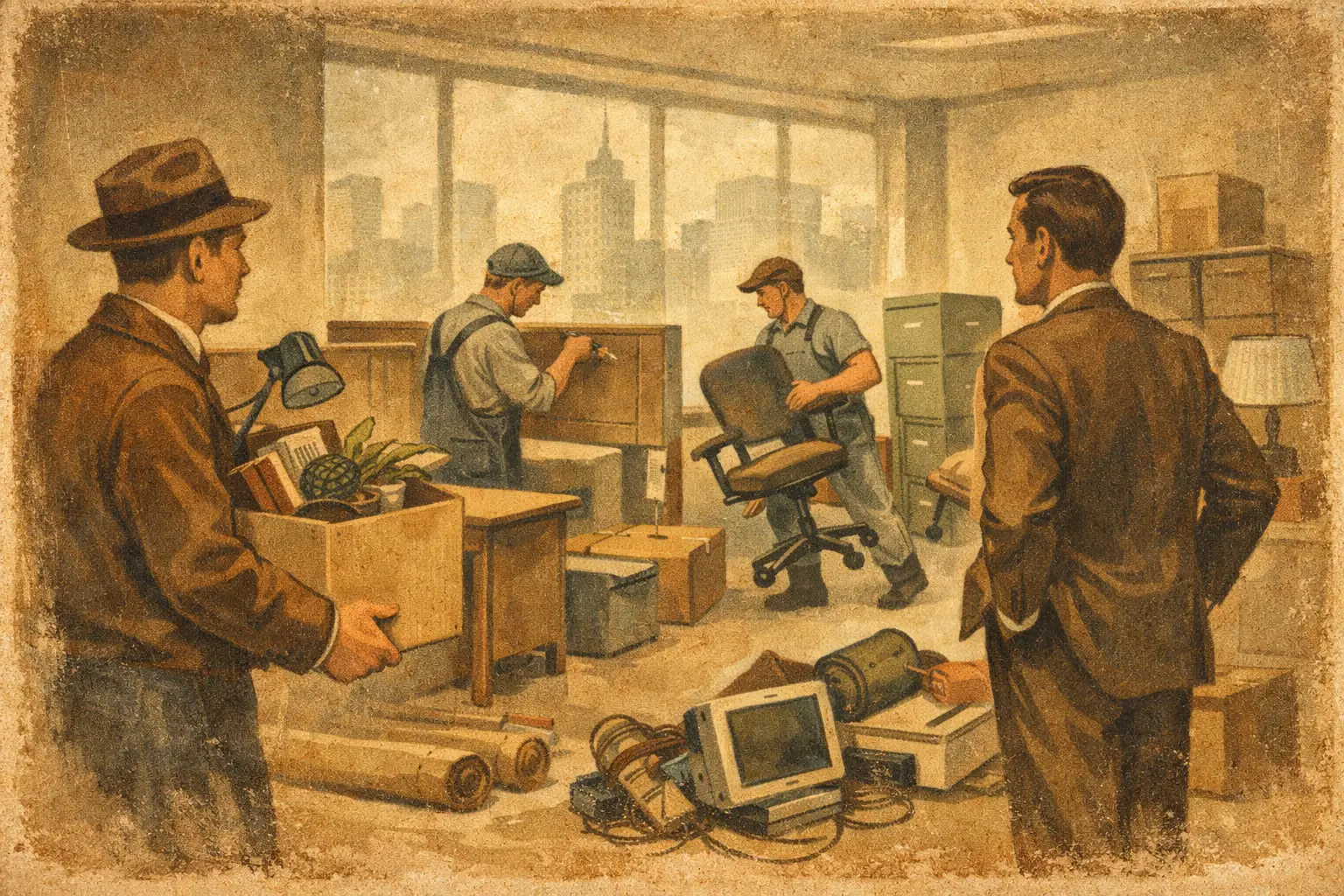


Get Your Free Quote Today
Fill out the form below and our team will respond within 2 hours
Reach out and we’ll
get back to you shortly.


12 Jenner Avenue Acton,
W3 6EQ London

Saturday: 9:00am – 2:00pm
Sunday: Closed